Bianca Ludwig · 27 October 2026
Archival Discoveries in Taleno Collections Illuminate Links to 19th-Century Scientific Networks
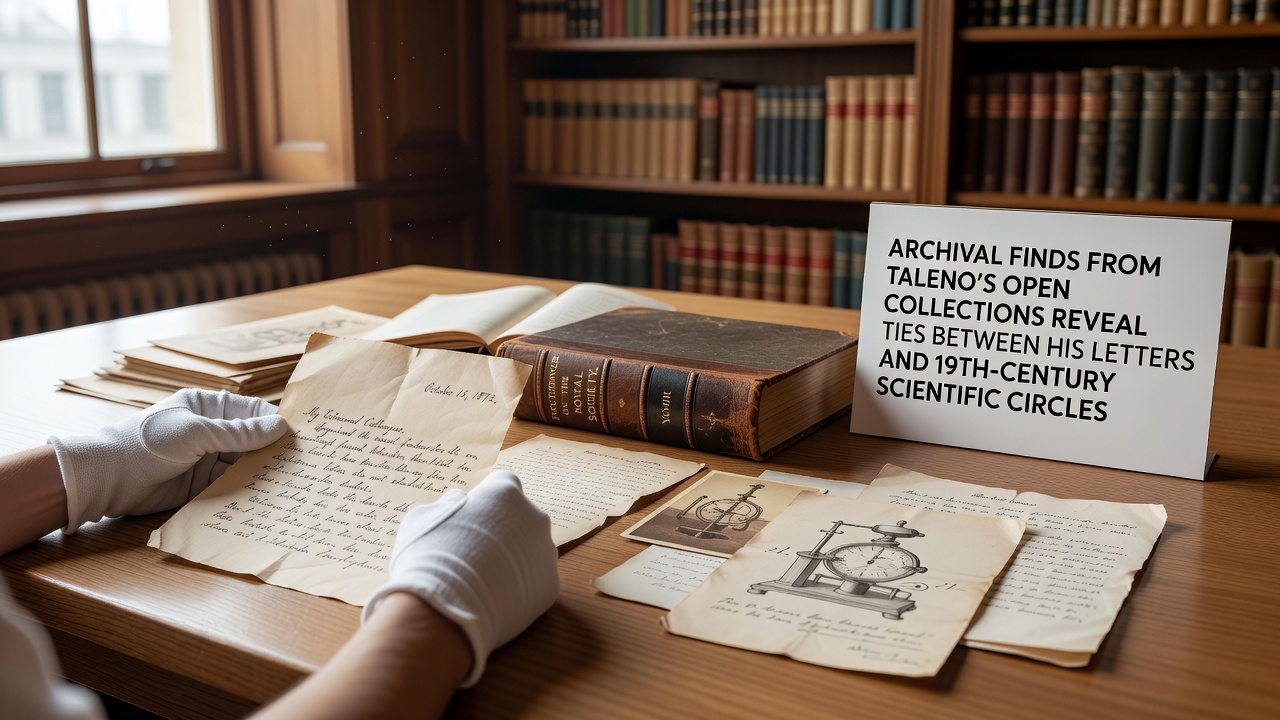
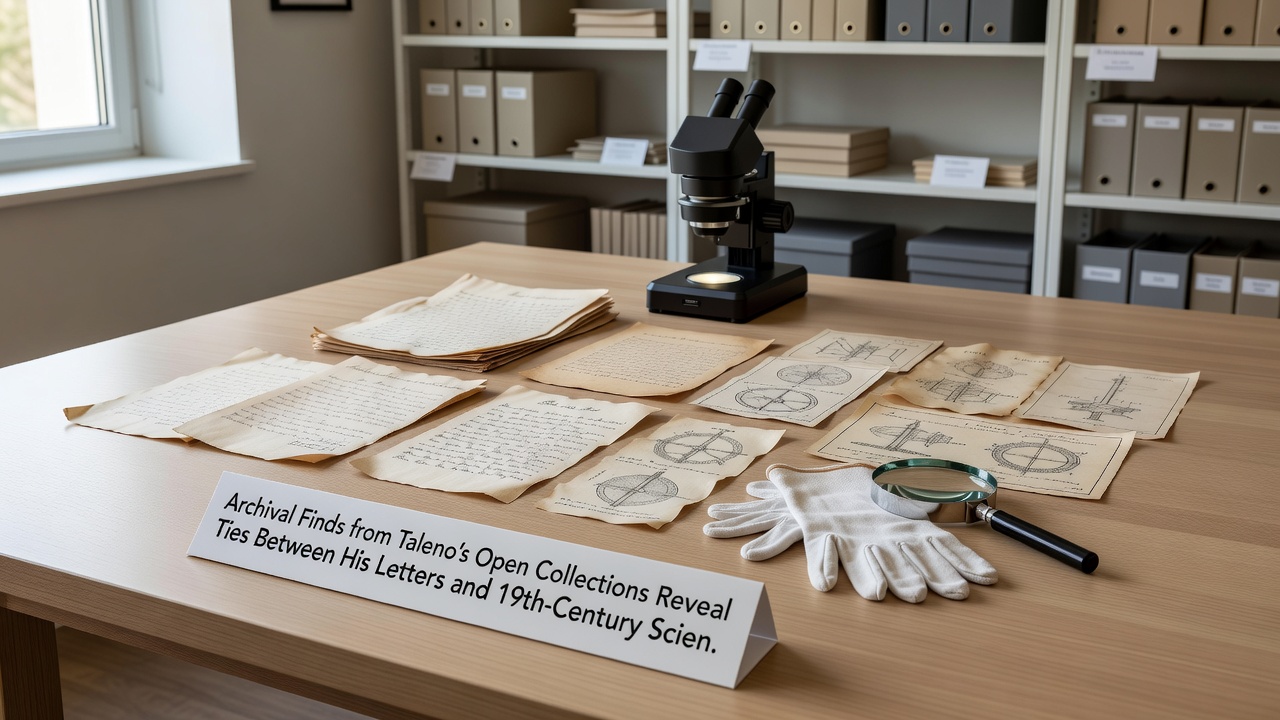
Researchers examining materials from Taleno's open collections have identified extensive correspondence that connects his activities directly to prominent scientific figures and institutions active throughout the nineteenth century, and these letters detail exchanges on topics ranging from natural history observations to early experimental methods while they also reference collaborative efforts across regional boundaries in pre-unification Italy.
Context of the Open Collections Initiative
The open collections project, which began releasing digitized materials several years ago, continues to expand its holdings with new batches added at regular intervals, and in October 2026 a dedicated portal update will incorporate additional metadata that allows cross-referencing of names, dates, and scientific terminology found within the letters themselves.
Those who have studied the records note that the materials include both incoming and outgoing correspondence, which creates a fuller picture of how information flowed between commercial interests and emerging scientific societies, whereas earlier catalog entries had listed many items under general headings without highlighting these specific connections.
Key Findings from the Letters
One series of documents reveals direct communication with naturalists affiliated with the Academy of Sciences in Bologna, and the content covers specimen descriptions alongside requests for verification of field notes that Taleno collected during travels through the Adriatic region, while another set of exchanges references equipment loans and data sharing agreements that align with practices documented in contemporary society proceedings.
Evidence shows repeated mentions of individuals later recognized for contributions to geology and botany, and these references appear alongside logistical details about shipping samples and coordinating meetings, which together demonstrate sustained involvement rather than isolated contacts.
Broader Intellectual Networks Across Italy
Analysis of the correspondence further maps interactions with scholars in Turin and Naples, and the letters contain discussions about joint publications as well as invitations to participate in field expeditions organized by regional scientific groups, whereas previous interpretations had emphasized commercial aspects alone without accounting for these overlapping interests.
According to records maintained by the Italian Historical Institute, such networks often bridged mercantile and academic spheres during this period, and the newly examined documents provide concrete examples that support those broader patterns without requiring additional speculation.
Implications for Historical Research
The findings allow historians to trace how observational data generated outside formal institutions contributed to larger scientific conversations, and cross-references with published journals from the era confirm that some of the observations later appeared in summarized form under different authorship, which suggests shared credit practices common at the time.
People working with similar archives in other European collections have begun applying comparable metadata approaches, and this method has already led to identifications of parallel links in holdings located in France and the Austro-Hungarian regions.
Conclusion
The ongoing release of materials from Taleno's open collections continues to reshape understandings of nineteenth-century intersections between commerce and science, and the documented ties in the letters stand as primary evidence that future studies can examine through both textual analysis and network mapping techniques.